Wildlife
Northern Sea Otter: CIC Exhibit

Sea Otters of Washington State: Local History, Conservation Efforts, and their role as a Keystone Species
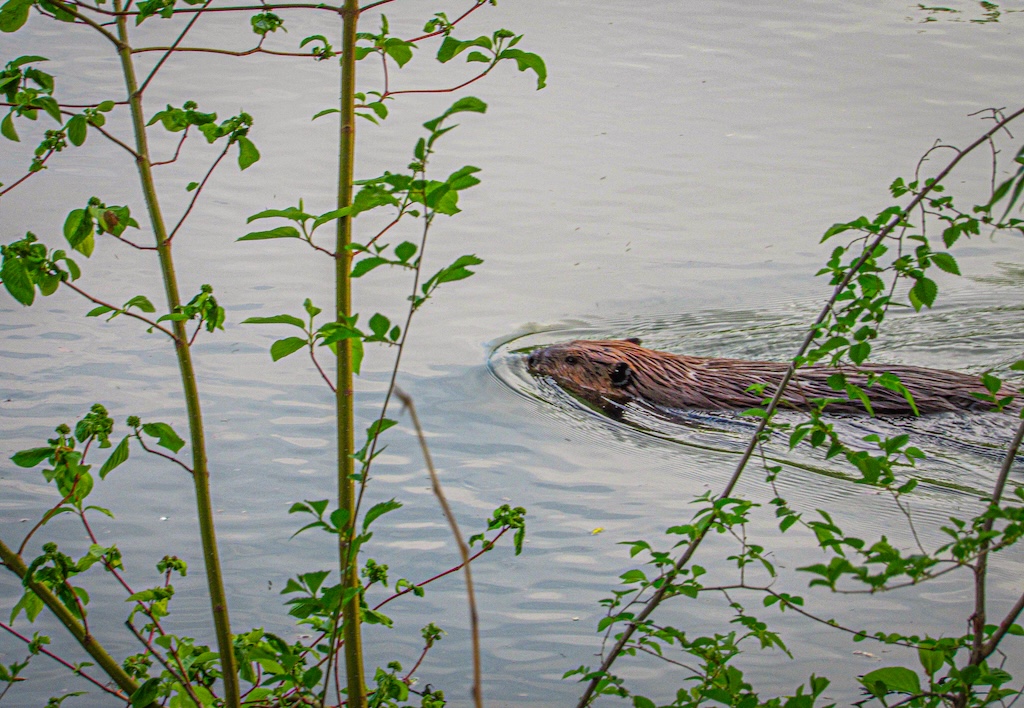
CIC Museum Research Document (Created 12/8/2025) Photograph by Aidan McCarthy. All rights reserved.
The northern sea otter is an unintentional protector of our coastline and the vibrant ecosystems it supports. Along the West Coast, their presence is critical not only for the health of underwater habitats but also for the long-term stability of coastal environments.
Hungry, Hungry Otters
Sea otters have an exceptionally high metabolism compared to other members of the weasel family, such as river otters, weasels, and stoats. Because they live in cold marine waters and lack insulating blubber, sea otters must generate body heat through constant activity and frequent feeding. As a result, adult sea otters spend an estimated 24–60% of their day foraging—gobbling down prey like sea urchins, crabs, clams, mussels, snails, and other marine invertebrates. Adult sea otters typically weigh between 30 and 100 pounds, depending on sex and region, and consume roughly 20–25% of their body weight each day to meet their energy needs—meaning an individual may eat anywhere from 7 to 25 pounds of food daily.
This constant feeding pressure is what makes sea otters a classic keystone species.
By preying heavily on herbivorous invertebrates (like sea urchins) sea otters prevent overgrazing of kelp forests and seagrass meadows. When otters are absent, urchin populations can increase dramatically, stripping kelp from the seafloor and creating barren ecosystems. In contrast, where sea otters are established, kelp forests tend to be taller, denser, and more stable, providing habitat and food for fish, invertebrates, seabirds, and marine mammals.
An Appetite to Change an Ecosystem
Sea otters’ voracious appetite, while essential for their survival, is also what makes them a keystone species. By preying on sea urchins, crabs, and other invertebrates that graze on kelp forests and seagrass meadows, they keep these herbivore populations in check and prevent the overgrazing that can collapse entire coastal ecosystems. In doing so, sea otters help maintain healthy habitat for fish, shellfish, waterfowl, and many other marine organisms, which boosts overall biodiversity. Areas with established sea otter populations have more stable coastlines, with reduced yearly erosion rates by up to 10 inches or more. Simply by predating on animals that eat marine plants like eelgrass and kelp, sea otters help to preserve ecosystems underwater and along the shore.
Sea Otters as Indicator Species
Sea otters are considered an indicator species, meaning their presence and health can reveal important information about the condition of coastal ecosystems. Because they live and feed in shallow nearshore waters, sea otters are especially sensitive to changes in water quality, pollution, and the availability of shellfish and other prey. When sea otters thrive, it often signals that the surrounding marine environment is healthy.
Fur, Function, and the Maritime Fur Trade
Unlike other marine mammals — like seals and walruses — sea otters do not have a thick layer of blubber to keep them warm. Instead, they rely on the densest fur of any mammal, with as many as one million hairs per square inch. This fur is composed of two layers: long guard hairs that repel water and a dense underfur that traps air and provides insulation. Together, these layers function much like a waterproof rain shell worn over a thick wool or down jacket — a combination familiar to many residents of Western Washington.
This warm and waterproof fur made sea otters a prime target during the maritime fur trade. Beginning in the mid-1700s, Russian, British, Spanish, and American traders hunted sea otters extensively along the Pacific Rim, including the Washington coast. Sea otter pelts were highly valued in international markets, particularly in China, where they commanded extremely high prices.
Grays Harbor played a documented role in this history. One known hunting site was located near present-day Griffiths-Priday Ocean State Park. Historical accounts describe a large hunting derrick—a tall wooden tower—from which hunters armed with rifles shot sea otters as they passed through nearshore waters. This method allowed hunters to target animals efficiently and contributed to the rapid depletion of local populations.
In 1989, a commemorative plaque was placed at Griffiths-Priday Ocean State Park (just a few miles from the Coastal Interpretive Center), marking what is believed to be the only remaining known location of a sea otter hunting derrick in Washington State. This site serves as a tangible reminder of how quickly human exploitation can transform an ecosystem.
Near Extinction and Reintroduction in Washington
The global fur trade devastated sea otter populations across the North Pacific, from Japan to Mexico. Prior to large-scale hunting, scientists estimate that between 150,000 and 300,000 sea otters inhabited these waters. By 1911, when international protections were first enacted, only an estimated 1,000–2,000 individuals remained worldwide, scattered in small, isolated groups.
In Washington, sea otters were hunted to local extirpation by approximately 1903. For decades afterward, they were entirely absent from state waters. Between 1911 and 1969, Washington had no resident sea otter population, and the ecological roles once filled by otters remained largely vacant.
Concern over the species’ near extinction, combined with growing awareness of its ecological importance, led to reintroduction efforts in the late 1960s. In 1969 and 1970, a total of 59 sea otters were translocated from Amchitka Island, Alaska, to the outer coast of Washington, primarily along the Olympic Peninsula. These efforts were supported by state and federal agencies and informed by emerging conservation science.
Since their reintroduction, Washington’s sea otter population has grown steadily and is now estimated at approximately 2,000 individuals. In Washington State, sea otters are most commonly found along the rugged outer coast of the Olympic Peninsula. While not as common in Grays Harbor, sea otters occasionally visit the area, with individuals observed foraging in the surf near Pacific Beach.
These elusive and playful visitors are best viewed from a distance using a spotting scope; if encountered on the water while boating or kayaking, it is recommended to maintain a minimum distance of five kayak lengths (approximately 50 feet).
We Otter Support Our Otters
Those lucky enough to spot a sea otter off the shores of Grays Harbor are witnessing a story of conservation success. The tale of the sea otter is a sad but hopeful one—once abundant, then hunted to near extinction, and now recovering. Their presence here reminds us that even heavily impacted ecosystems can begin to heal when people commit to careful stewardship. Sea otters are living symbols that human actions can devastate wildlife. At the same time, dedicated conservation initiatives such as reintroduction programs, habitat protection, and ongoing monitoring demonstrate that thoughtful efforts can restore balance and help species thrive once again.
Sources
Touch whale bones, examine shipwreck artifacts and connect with the coast's living history.

Support our mission, get involved in educational programs, or contribute through donations and volunteering.