The Lifecycle of a Glass Float: From Tool, to Trash, to Treasure
CIC Museum Research Document (Created 12/12/2025) Creative Commons photograph.
A shiny orb of glass washes ashore far from the place of its creation. This nautical traveler was inadvertently abandoned or lost, forced to weather storms and gyres for years, if not decades. Once considered obsolete and outdated fishing gear, the glass float is now coveted and treasured. This crown jewel among beachcombers tells a story of glass artistry, the evolution of nautical tools, and the transformation of value of objects once forgotten.
The Birth of a Glass Float:
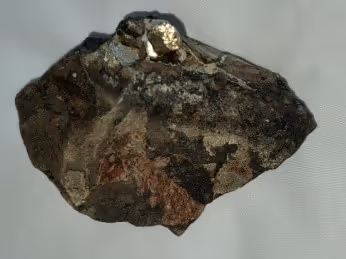
Our story begins with silica, one of the most abundant minerals in Earth’s crust and the primary ingredient in glass. When silica is refined and heated to extreme temperatures with added flux (like soda ash and limestone) it melts into a glowing, viscous goo that can be shaped before cooling and hardening. This molten glass can be blown, pressed, or molded, making it one of the most versatile materials humans have worked with for thousands of years. Glass itself is too dense to float in water, but when enough air is trapped inside, it becomes buoyant—giving rise to the glass float.
The invention of the glass fishing float can be traced to Norway in the early 1840s, when Christopher Faye, a merchant from Bergen, began experimenting with glass as a replacement for traditional wooden and cork buoys. They were called “glasskavl”, with the word “kavl” or sometimes “kalfi” deriving from the Norse word for wooden fishing floats. By 1842, Faye was trading glass floats commercially for Norwegian cod fishing, marking the first documented use of glass as a buoyant tool in the fishing industry. For several decades, Norway remained the primary producer of glass floats, supplying them to fisheries across Europe.
By the late 19th and early 20th centuries, glass float production had spread well beyond Norway. Floats were manufactured across the globe, including in Japan, the United States, Canada, Taiwan, China, the United Kingdom, and Germany, as industrial glassmaking expanded and fisheries modernized. Regional styles emerged as manufacturers adapted floats to local fishing practices and materials. Most floats can be individually distinguished by features such as seam marks, pontil scars, stamps, color, and shape, offering clues to their place of origin. For example, Seattle’s Northwestern Glass Company marked its floats with a distinctive “NW” stamp, allowing beachcombers and collectors today to trace glass floats back to specific makers.
The invention of plastic, Styrofoam, and aluminum buoys quickly overshadowed glass floats, rendering them obsolete and transforming once-essential tools into human trash. By around 1960, the production of glass floats had largely ceased. While many glass floats were likely accidentally lost at sea, countless floats were deliberately discarded and left at sea. When not properly recycled or disposed of, glass floats persist long beyond their original purpose, continuing to drift through ocean currents decades later.
Adrift in the Pacific:
Once a glass float is lost at sea, its working life is not over. A single float can circulate the Pacific Ocean often spending seven to ten years drifting through interconnected surface currents before ever reaching land. Some floats may travel far longer, looping through the open ocean again and again.
Only a small percentage of ocean debris, including glass floats, ever makes landfall. For a float to wash ashore, conditions must align just right. Otherwise, floats can remain suspended in motion for decades, carried along by vast conveyer-belt-like currents of moving water. The primary drivers of this movement are surficial ocean currents, particularly those that make up the North Pacific Gyre. Floats lost in commercial fishing grounds can be swept into major currents, carried across thousands of miles, and redirected multiple times before approaching a coastline.
Beyond currents, several other factors influence how and where glass floats travel. Prevailing winds can push floating objects across the ocean’s surface, while seasonal storms and wave energy may force them closer to shore or send them back out to sea. Water temperature, salinity, and density affect buoyancy, and over time, biofouling (the accumulation of algae, barnacles, and other marine organisms) can subtly change how a float rides in the water, altering its path or causing it to sink temporarily before resurfacing.
After years of drifting, a glass float may finally be nudged into shallow coastal waters and deposited on a beach by tides and wave action. There it may rest for days or years, until it is discovered by an observant beachcomber. Or it can be reclaimed by the sea once more, pulled back into the surf to continue its long, cyclical journey.
Coastal Connectedness:
If you were to find a glass float along the West Coast (California to Alaska) it would most likely be of Japanese origin. This is because these coastlines lie directly in the path of the Kuroshio Current, often called the Black Current, which carries warm water and floating debris eastward across the Pacific. After major storms or natural disasters, shorelines like those of Grays Harbor are especially likely to receive anthropological debris from across the Asian Pacific, including Japan, Taiwan, South Korea, and China. Because Japan was the largest producer of glass fishing floats in the Pacific, Japanese-made floats are the most commonly found along the West Coast of North America.
Existence After Obsolescence: Once Trash, Now Treasure
Glinting in the sun amongst the sand, and coils of tangled seaweed, the glass float is much more glamorous than its brethren of other man-made pollution. Their beauty is what spares them from being just another forgotten piece of trash.
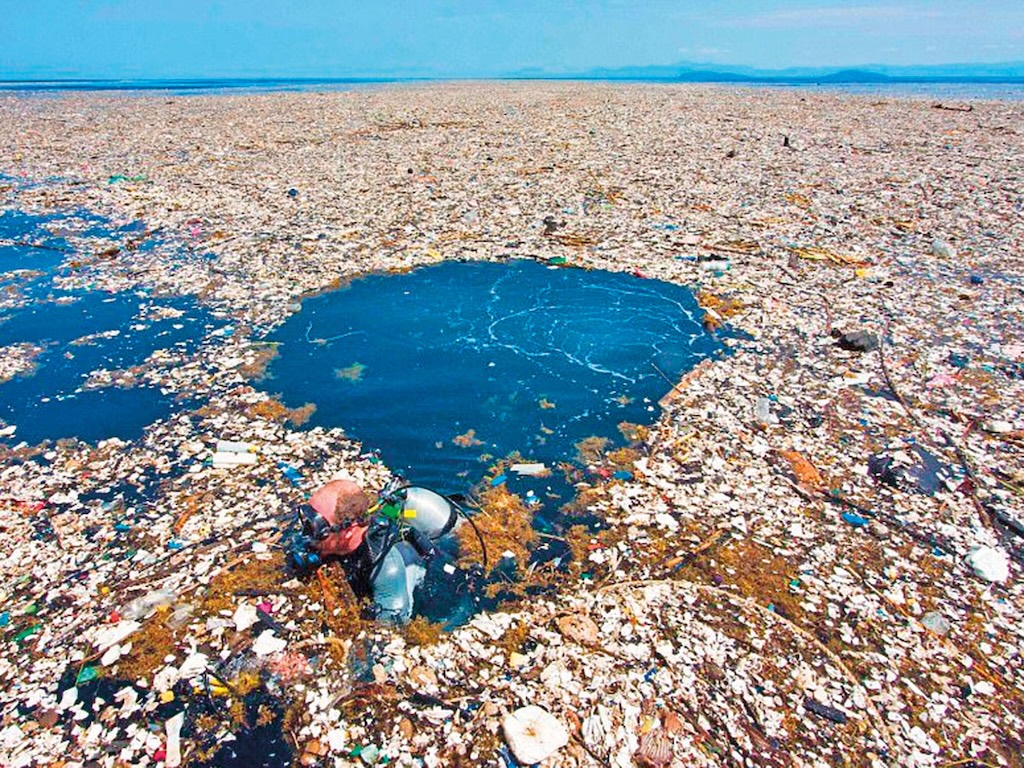
The hard truth is that these coveted pieces of fishing history make up only a small percentage of the hundreds of tons of human trash circulating endlessly throughout our oceans. Items like glass floats, with a nearly infinite lifespan in Pacific Ocean currents, remind us of the permanence of objects even after they become obsolete.
Sources
- Knowable, Carolyn W. “A Brief Scientific History of Glass.” A Brief Scientific History of Glass, Smithsonian Magazine, Nov. 2021, www.smithsonianmag.com/science-nature/a-brief-scientific-history-of-glass-180979117/.
- Andersson, Tove. Glass Fishing Floats, The Norwegian American, 9 Feb. 2024, www.norwegianamerican.com/glass-fishing-floats/.
- Ritterbush, S. Deacon. A Beachcomber’s Odyssey: Volume 1: Treasures from a Collected Past. Ritz Dotter Publishers, 2008.
- Andersson, Tove. Glass Fishing Floats, The Norwegian American, 9 Feb. 2024, www.norwegianamerican.com/glass-fishing-floats/
- Pich, Walter C. Glass Ball: A Comprehensive Guide to Oriental Glass Fishing Floats Found on Pacific Beaches: Origin, History, Marks. Walter C. Pich Publishing, 2004.
- Pich, Walter C. Beachcomber’s Guide to the Northwest: Glass Balls & Other Littoral Treasures, California to Alaska. First ed., Pich Publications, 1997
- Leitch, Linda. “Glass Floats • British Columbia Magazine.” British Columbia Magazine, 4 Apr. 2020, www.bcmag.ca/glass-floats/.
- Leitch, Linda. “Glass Floats • British Columbia Magazine.” British Columbia Magazine, 4 Apr. 2020, www.bcmag.ca/glass-floats/.